



Archaelogical Complex Nebet Tepe
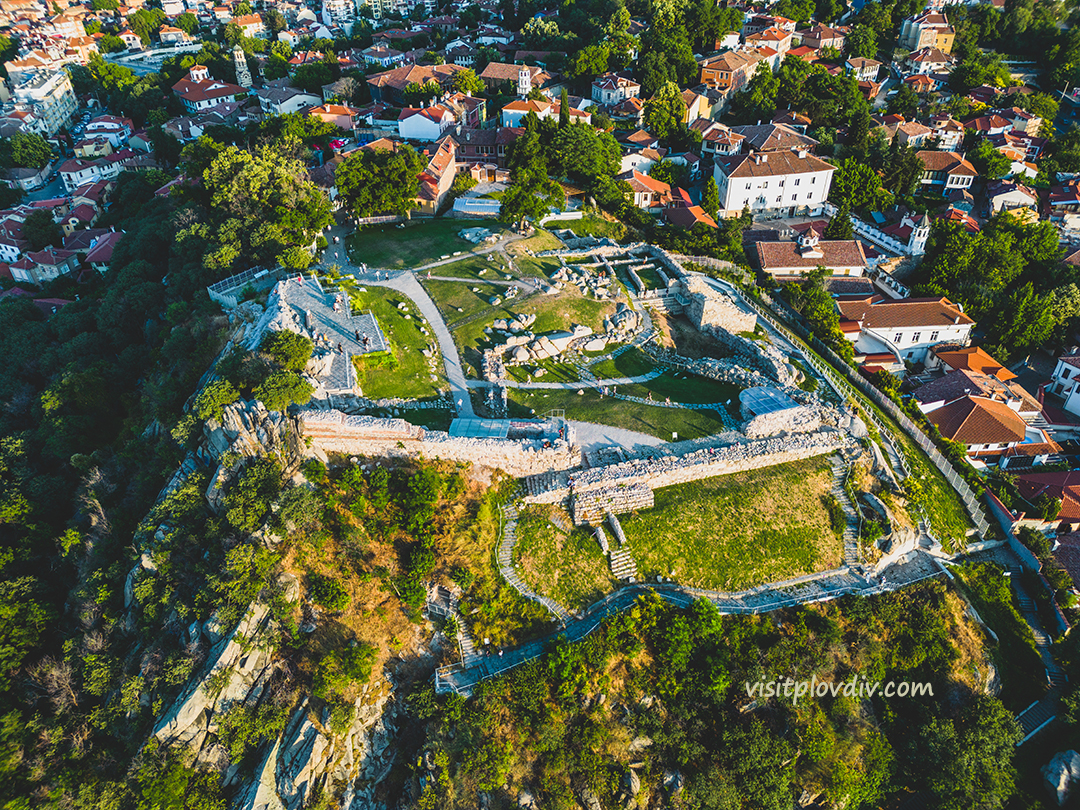
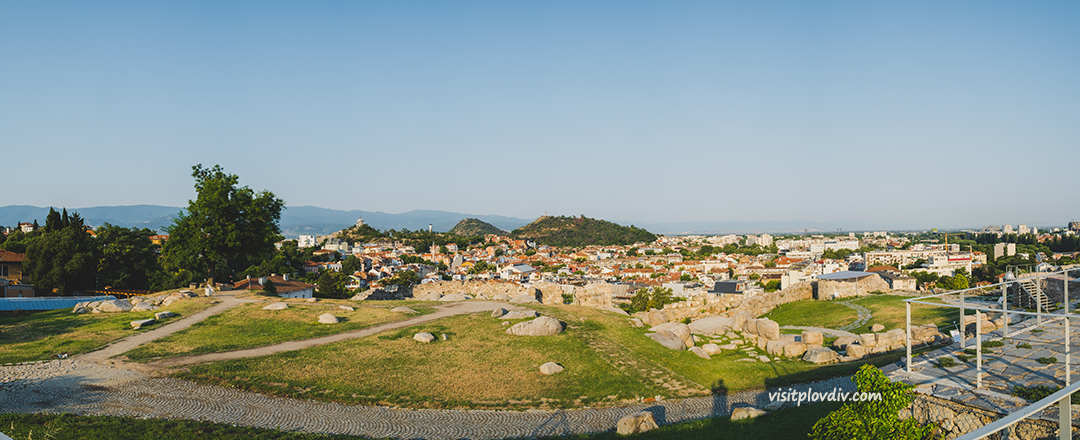


This is where the existence of the ancient city began. The first stone in the development of the settlement was laid here in the 4th millennium BC. Over time, different eras and civilizations have layered on top of each other in this part of the Three Hills, which today is recognized as a cultural monument of national importance and is undoubtedly one of the most significant cultural and historical sites not only in Bulgaria but also on the Balkans.
The original settlement emerged in a naturally fortified and protected location at the foot of the northern hill. Between the 5th and 1st centuries BC, defensive structures were built, forming the citadel of the ancient city center, and the settlement became part of the famous Odrysian Kingdom. The city’s expansion and transformation into one of the major centers of ancient Thrace is linked to the name of Philip II of Macedon, who planned streets and continued to strengthen the fortifications. During this period, the city was known as Philippopolis.
In the 1st century, Philippopolis became part of the Roman Empire, which further elevated its role as a political, economic, and cultural center of the province of Thrace. It also became a metropolitan city – a regional hub where the General Assembly of the Thracians was held. Representatives from all settlements in the province gathered here, and only they had the right to address the Roman emperor directly on matters concerning life in the province.
In 172 AD, during the reign of Emperor Marcus Aurelius, a new fortress wall was constructed using funds from the imperial treasury, connecting the city in the lowlands to the Three Hills. In the early Byzantine period (5th–7th century), during the reign of Emperor Justinian I, the Three Hills remained a strongly fortified area.
The Nebet Tepe fortress played an important role as part of the city's fortifications until the Middle Ages and has the potential to be included in the world cultural heritage, as it preserves the original traces of the civilizations that continuously inhabited Plovdiv for millennia.





Add new comment